




Choosing a diagnostic platform is one of the biggest decisions a workshop makes. Get it right and technicians work faster, first-time fix rates improve and profitability follows. Get it wrong and you end up with equipment that cannot keep pace with the vehicles rolling through the door.
For most workshops, the decision comes down to two broad options: an OEM tool tied to a single manufacturer, or a multi-brand platform such as Jaltest diagnostics that works across many makes from one piece of kit. Neither is universally right or wrong. The best choice depends on what a workshop actually works on, day to day.
This article gives an impartial look at how the two approaches compare on cost, coverage, updates, usability, training and long-term value, and which type of workshop tends to benefit most from each.
What Is OEM Diagnostics?
An OEM tool is built by, or on behalf of, a single vehicle manufacturer to work exclusively with that brand. Because it is designed alongside the vehicle’s own electronic architecture, it typically offers the deepest possible level of access to that manufacturer’s systems, including some functions that may not be available anywhere else, such as certain software flashing procedures or manufacturer-specific security access.
The trade-off is scope. An OEM tool only works on the brand it was built for. A workshop that services DAF, Volvo and Mercedes-Benz vehicles would, in theory, need three separate OEM tools, three separate subscriptions and three sets of cables to achieve the same brand coverage that a single multi-brand platform provides.
OEM tools tend to suit main dealers and franchised workshops that work almost exclusively on one manufacturer, where the depth of brand-specific access outweighs the cost and complexity of running several systems.
What Is Multi-Brand Diagnostics?
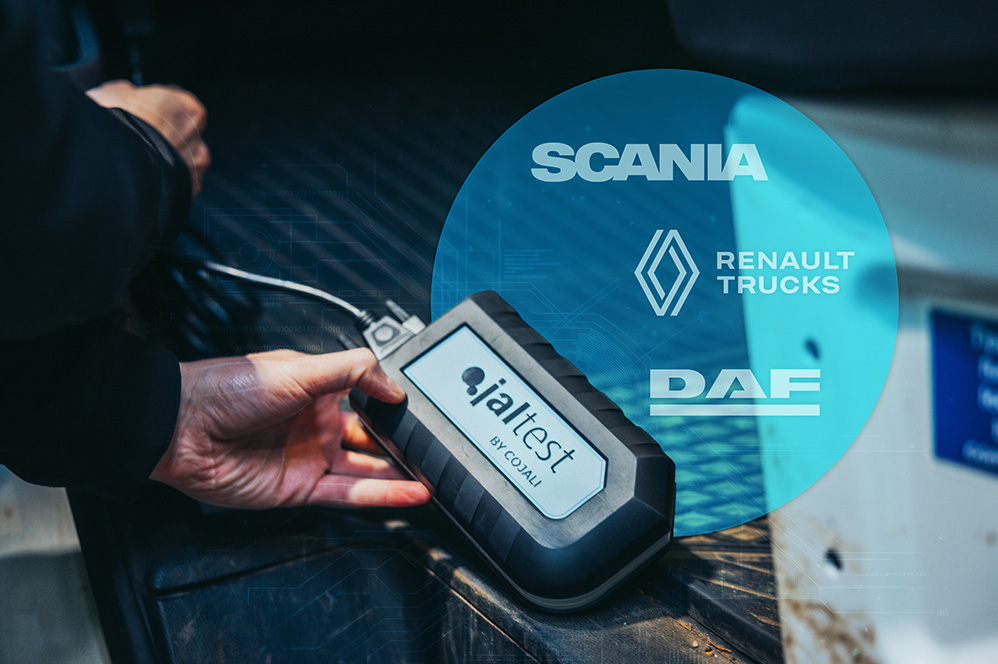
A multi-brand platform is designed to work across a wide range of manufacturers from a single piece of software and hardware. Jaltest CV, for example, covers 214 brands and almost 6,000 models of truck, trailer, bus and LCV, while separate Jaltest modules extend that same approach to agricultural machinery, off-highway plant, marine vessels, material handling equipment and cars.
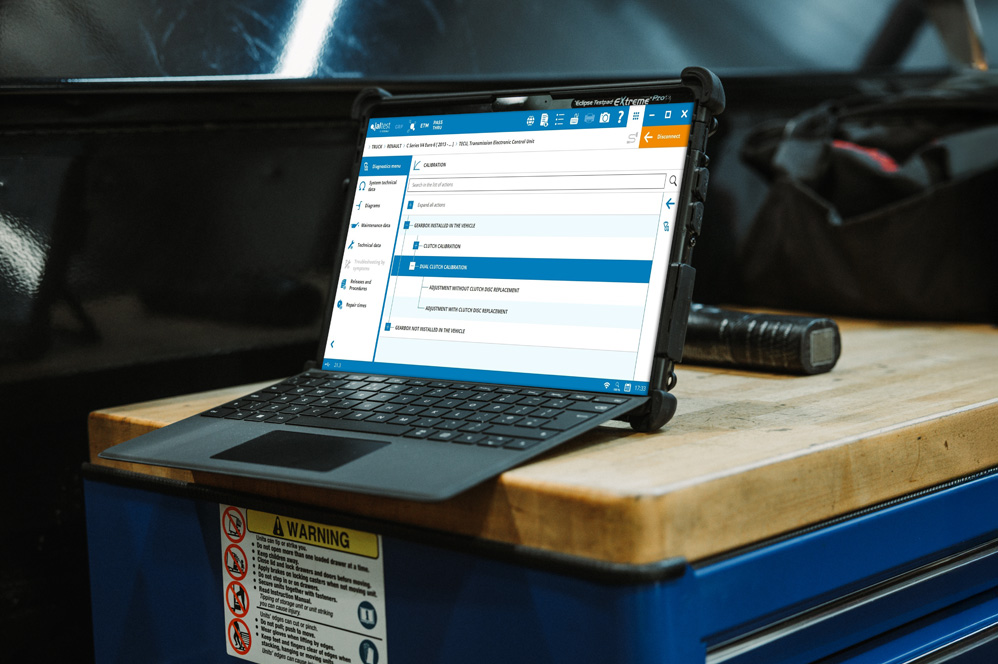
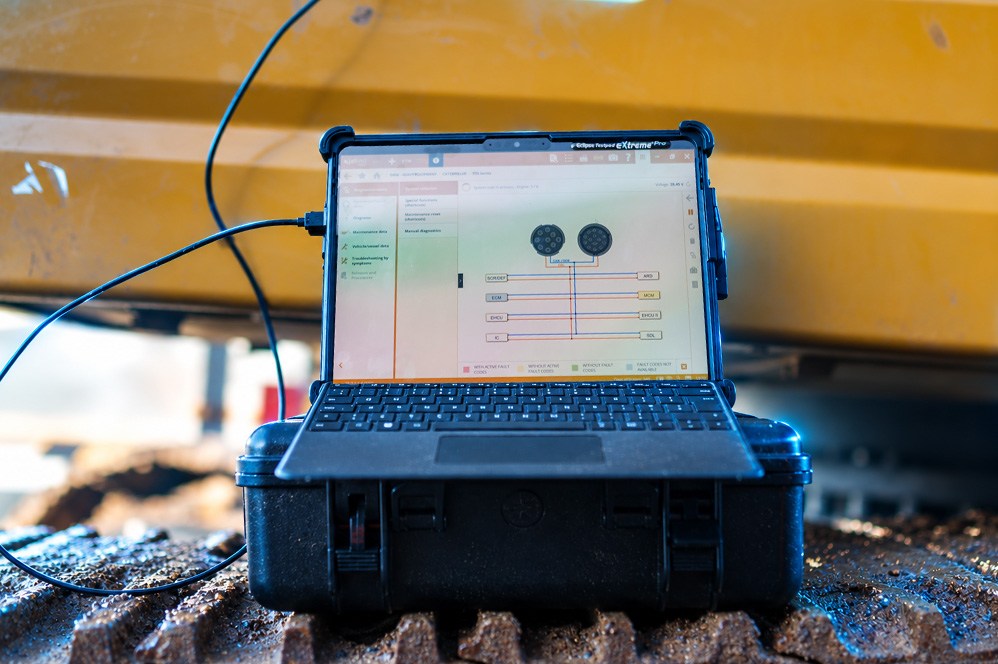
Rather than switching between tools for each manufacturer, technicians use the same interface, the same fault-finding logic and the same service functions regardless of which brand is in the workshop. For a mixed fleet or an independent garage seeing a broad customer base, that consistency removes a lot of the friction that comes with juggling several brand-specific systems.
Comparing the Cost
Cost is rarely as simple as comparing one tool’s price against another. A single main dealer callout in the UK can run anywhere from around £150 to £400 or more before any repair work has even started, and those costs add up quickly for a workshop or fleet that regularly needs to refer work elsewhere.
Running several OEM tools brings its own layered costs: separate purchase or subscription fees, separate renewal costs, separate cables and separate training for each one. For workshops covering more than one or two brands, those combined costs frequently exceed the cost of a single multi-brand licence, before factoring in the technician time saved and the repeat callouts avoided by having broader capability in-house.
Eclipse also offers the Total Eclipse Package, which bundles five years of software updates, technical support and warranty into one fixed monthly cost, giving workshops budgeting certainty rather than a series of unpredictable renewal fees.
Comparing Vehicle Coverage
This is where the two approaches diverge most clearly. An OEM tool’s coverage is, by definition, limited to one manufacturer’s current and recent model range. A multi-brand platform is built specifically to span many manufacturers within a sector, from major names down to more specialist brands that a workshop might only see occasionally.
For a workshop with a genuinely mixed customer base, be that a commercial fleet running several truck brands, a farm with tractors and implements from different manufacturers, or a plant hire company with mixed excavators and loaders, multi-brand coverage means one tool can handle the majority of what comes through the door. You can see the full list of brands covered by Jaltest to check compatibility against your own fleet or customer base.
Comparing Updates and Long-Term Value
Both OEM and multi-brand tools rely on regular software updates to stay current with new models, new fault codes and new vehicle systems. The difference tends to be in how that update effort is spread. An OEM manufacturer updates its own software to cover its own vehicles. A multi-brand developer has to do the same work across every brand it supports, which is a considerably larger undertaking.
Jaltest software is updated three times a year, adding new brands, new models, new systems and expanded functionality with each release. Because updates are managed centrally across the whole multi-brand platform, a workshop with one Jaltest licence benefits from new coverage across dozens of brands at once, rather than having to purchase and install separate updates for each individual OEM tool it owns.
Comparing Usability
Running several OEM tools side by side means learning several different menu structures, several different diagnostic workflows and several different ways of interpreting fault codes. That is manageable for a technician who only ever touches one brand, but it becomes a genuine drag on efficiency for anyone working across a mixed fleet.
A multi-brand tool is designed around a single, consistent interface. The steps for vehicle identification, fault reading, live data and service functions follow the same logic whatever brand is connected. Technicians spend less time relearning software and more time actually diagnosing the vehicle in front of them, which matters just as much in a fixed workshop as it does for a mobile technician working across multiple sites in a single day.
Comparing Training and Support
OEM tools are usually supported directly by the manufacturer or an appointed regional distributor, with training often built around dealership standards and processes. This works well within a franchised network, but it means separate training is needed for every additional brand a workshop takes on.
Multi-brand platforms consolidate that training into one system. Eclipse offers a range of Jaltest training courses, from an introductory one-day course through to more advanced sessions on specific systems such as Euro 6 AdBlue after-treatment, alongside on-site, remote and classroom options. Because the training covers the platform itself rather than a single brand, the skills a technician builds carry across every manufacturer supported by the software.
Ongoing support follows a similar pattern. Instead of contacting several different manufacturer helplines, workshops using Jaltest have a single point of contact for both vehicle diagnostic queries and IT-related issues.
Which Solution Suits Your Workshop?
- Independent garages working across a broad range of makes and models are generally best served by a multi-brand platform. Customers do not arrive in single-brand batches, and the ability to take on almost any vehicle without turning work away or referring it to a dealer is a significant commercial advantage.
- Fleet operators running mixed makes, whether trucks, trailers, buses or a combination, benefit from a single system that keeps diagnostic capability consistent across the whole fleet. This avoids the cost and complexity of maintaining several OEM tools purely to service an internally mixed vehicle list.
- Mobile technicians have perhaps the strongest case for multi-brand diagnostics. With no way to know in advance exactly what brand will be waiting at each call out, and limited space to carry multiple brand-specific tools, a single platform covering the full range of likely brands is often the only practical option.
- Franchised dealers and single-brand workshops working almost exclusively on one manufacturer may still find an OEM tool the right fit, particularly where certain manufacturer-specific functions are only accessible through the official system. Even here, many dealer groups add a multi-brand tool such as Jaltest alongside their OEM equipment to handle the trade-in vehicles, part-exchanges and mixed-brand work that inevitably comes through a workshop over time.
Key Considerations Before You Invest
Before committing to a diagnostic platform, it is worth working through a few practical questions:
- What proportion of your workload is single-brand versus mixed-brand? A dealership working almost exclusively on one manufacturer has different needs to a workshop seeing ten different brands a week.
- What is the true cost of ownership? Add up subscription or licence renewals, cables, hardware and training across every tool you would need, not just the upfront purchase price.
- How often is the software updated, and what does that include? Look for a clear update schedule that adds new brands, models and functions, not just fault code libraries.
- What training and support is available? Consider whether training is bundled in, and whether support covers both vehicle diagnostics and the underlying IT.
- Does the tool support the service functions you actually need? Fault reading is only part of the job. Check that calibrations, resets and programming functions are available for the systems you work on most.
- Will your coverage needs change? A workshop that only handles trucks today may take on trailers, buses or plant work in future, so it is worth choosing a platform with room to grow.
The Bottom Line
There is no single correct answer to OEM versus multi-brand diagnostics. Franchised dealers with a genuinely single-brand workload may still have good reason to run OEM equipment. However, for the majority of independent garages, fleet operators and mobile technicians working across more than one make, a multi-brand platform tends to offer stronger long-term value: broader coverage from one system, more predictable costs, consistent training and a single point of support.
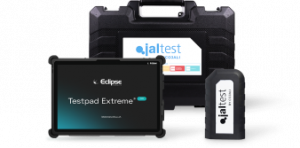
Jaltest, developed by Cojali, is the multi-brand diagnostic platform behind that approach. You can find full details of the Jaltest range online, and it is available to buy at Eclipse.