






In the space of a few model years, vehicle electronics have leapt ahead: Euro 6 and the coming Euro 7 standards, electrified drivelines, security gateways, ADAS calibrations, new communication protocols, and ever-more tightly integrated systems. If your workshop’s diagnostics haven’t kept pace, you’re not just losing time—you’re risking misdiagnosis, repeat comebacks, and billable work walking out the door.
This guide will help you spot the tell-tale signs your current tool is past its prime, explain why the technology curve matters, and show how Jaltest keeps commercial vehicle technicians ahead with broad coverage, guided troubleshooting, and frequent, remote updates..
Why the Technology Curve Matters (Euro 6/7, Electrification & More)
- Euro 6 today, Euro 7 tomorrow: Emissions systems are more complex and less forgiving. You need deep access for calibrations, resets, and parameter management—across engines, after-treatment, and OBD variants.
- Electric & hybrid systems: High-voltage components (battery packs, inverters, DC/DC converters) require specialised routines, live data, and safety workflows. Even mixed fleets now expect EV and hybrid coverage.
- ADAS & driver assistance: Radar, camera, lidar and steering angle systems demand guided calibrations and clear procedures. Guesswork isn’t an option.
- Security & connectivity: OEM security gateways, online functions, and new protocols are now common. Your tool must authenticate, communicate, and update seamlessly.
12 Signs Your Diagnostic Tool Is Holding You Back
- Limited coverage on late-plate Euro 6 or upcoming Euro 7 models
You can read generic fault codes but can’t perform the resets, calibrations, and functions the job requires. - Patchy EV/hybrid functionality
No HV battery diagnostics, inverter data, insulation tests guidance, or safe-state procedures? That’s a red flag. - No ADAS calibration guidance
If you’re relying on PDFs or forum posts to calibrate radar/camera systems, you’re carrying unnecessary risk. - Struggles with modern comms
Slow or failed connections on newer vehicles often trace back to outdated interfaces. - Frequent “OEM function not supported” messages
You can see the symptom but not run the routine—forced DPF regeneration, SCR resets, injector coding, clutch learns, etc. - Inaccurate or incomplete wiring diagrams
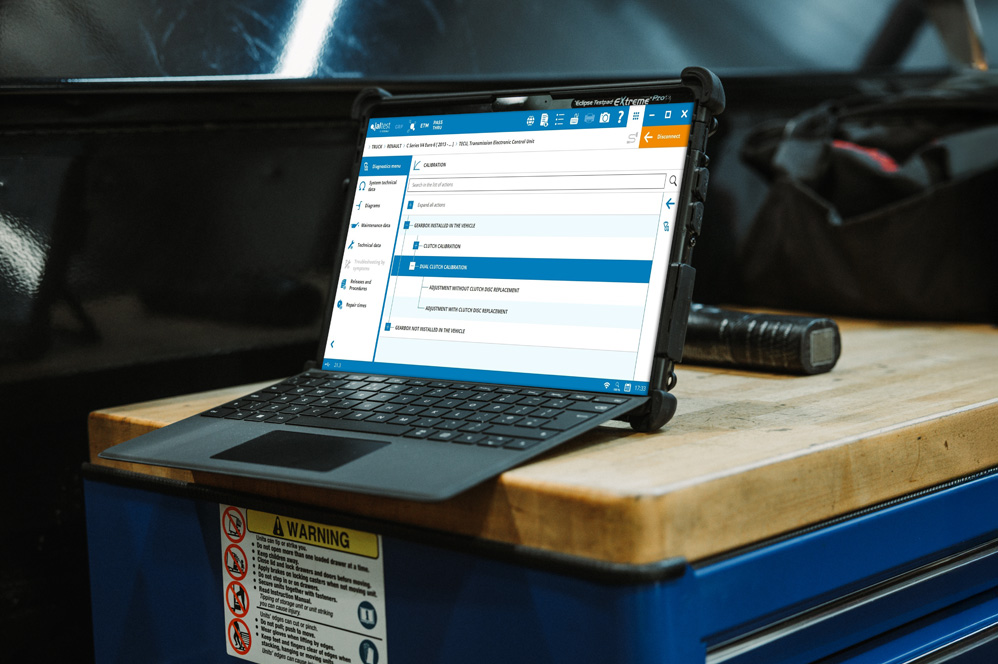
Out-of-date schematics and pinouts cost hours of back-probing and second-guessing. - Clunky workflows with no guided troubleshooting
If it won’t walk you from DTC to probable cause, test steps, and verified fix, productivity suffers. - Security gateway roadblocks
You can’t unlock functions on brands with SGW or you’re stuck in read-only mode. - Slow hardware and laggy software
Long boot times, crashes, and spinning wheels burn daylight and frustrate techs. - Infrequent or manual updates
If updates are rare, hard to install, or require shipping the tool away, coverage will drift behind. - Poor reporting and job cards
No clean export of pre/post scans, freeze frames, and linked test steps means missed revenue and weaker customer trust. - No remote support or collaboration
When a tricky fault appears, you need the ability to share sessions, logs, and screenshots quickly.
The Cost of “Making Do”
- Longer key-to-key times: Extra hours per job compound into days per month.
- Repeat comebacks: Incomplete functions = incomplete fixes.
- Lost opportunities: You say “no” to profitable EV/ADAS/emissions work.
- Technician morale: Talented people don’t want to fight their tools.
How Jaltest Keeps Technicians Ahead
Broad, multi-brand coverage for commercial vehicles
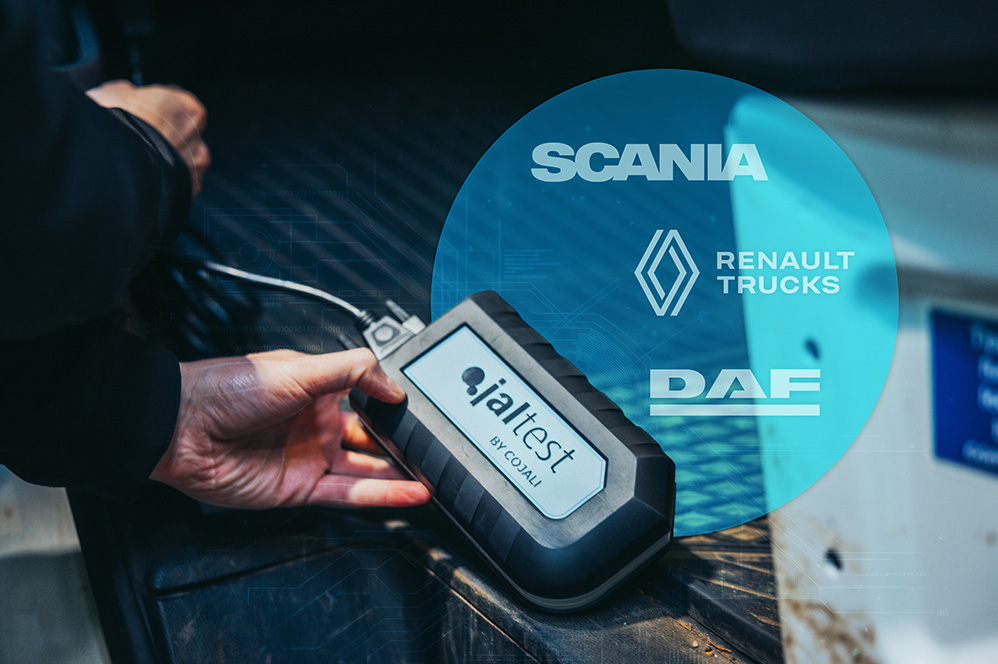
Trucks, buses, LCVs, off-highway and agricultural fleets are supported with extensive systems access—engine, after-treatment, transmission, braking, body, and chassis.
Deep functions, not just fault codes
- Component activations, calibrations, adaptations and coding
- Forced regenerations and SCR/DEF routines
- Injector coding, clutch and transmission learns
- Service resets and maintenance procedures
EV & hybrid diagnostics
HV battery data, BMS parameters, inverter/converter live values, guided safety procedures, and fault-driven workflows help you work confidently on electrified platforms.
ADAS support
Guided calibration procedures with prerequisites, target setup instructions, and validation steps reduce risk and rework.
Modern communications & security
Jaltest interfaces are built for today’s protocols and handle brand security gateways through authorised flows where supported.
Guided troubleshooting & smart wiring
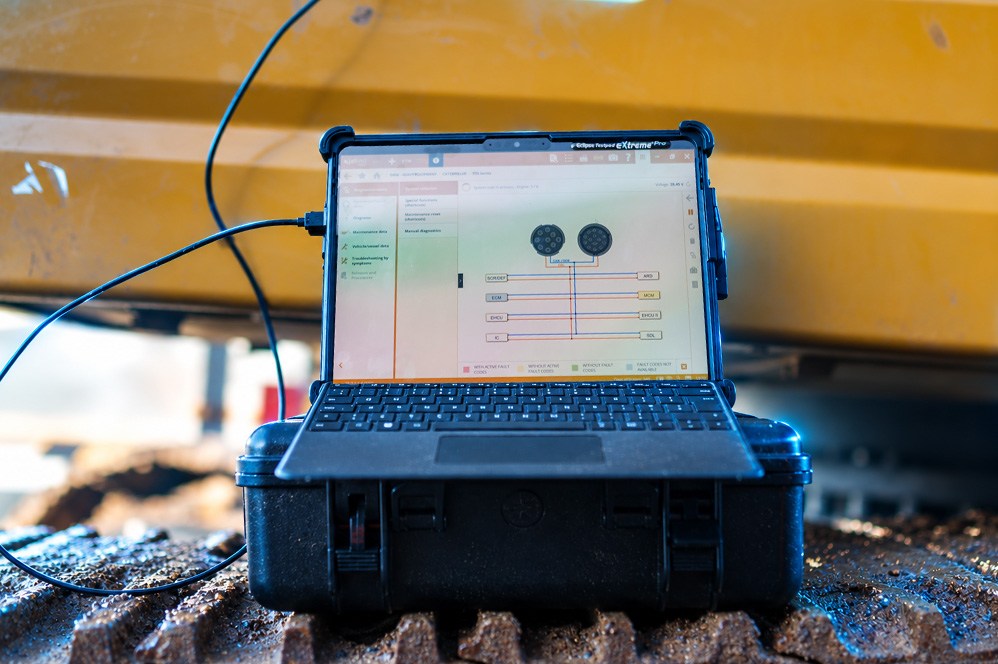
From DTC to fix: probable causes, step-by-step tests, linked technical data, and interactive wiring diagrams shorten diagnostic time and increase first-time-fix rates.
Reporting & workshop management
Generate professional pre/post scan reports, attach photos and notes, and create job cards. Useful for customers, insurers, and compliance documentation.
Remote, frequent updates
Jaltest is continually updated with new brands, systems, and functions. Updates install over the air, keeping your coverage fresh without downtime.
Training & support ecosystem
From onboarding to advanced modules, plus responsive technical support, your team always has a lifeline on complex faults.
Upgrade Checklist: Are You Ready?
- ☐ We regularly see “function not supported” on vehicles under five years old.
- ☐ We can’t perform key EV/hybrid tests or safety procedures.
- ☐ We lack ADAS calibration guidance in-tool.
- ☐ We battle SGW restrictions or modern protocol comms.
- ☐ Our wiring diagrams/technical data are often outdated.
- ☐ Updates are rare, manual, or disruptive.
- ☐ Reports aren’t customer-friendly or easy to export.
- ☐ Technicians avoid the tool or complain about speed/usability.
If you’ve ticked three or more, an upgrade will likely pay for itself quickly.
ROI You Can Measure
- Billable time: Faster diagnosis → more jobs per bay per week.
- Reduced comebacks: Better functions & guidance → fewer unpaid hours.
- New revenue: EV, ADAS, and advanced emissions jobs you’d otherwise decline.
- Staff retention: Modern tools help attract and keep skilled techs.
Diagnostics is moving from reactive fault-finding to proactive, data-led maintenance. Here’s what to expect — and how to prepare.
Making the Move: A Simple Migration Plan
- Audit your fleet mix & jobs
Note the brands, systems, and procedures you run most (e.g., DPF regens, injector coding, camera calibrations, BMS faults). - Map must-have functions
Build a non-negotiables list: EV testing, ADAS, SGW access, reporting, guided troubleshooting. - Trial on real vehicles
Validate connection speed, function depth, and wiring/technical content on your typical jobs. - Plan training & onboarding
Book initial training and set aside time for the team to learn guided workflows and reporting. - Schedule updates & support
Ensure licences and remote updates are active so you stay current without friction.
Bottom Line
Vehicles have moved on. If your diagnostics haven’t, the gap shows up as wasted hours, missed work, and unhappy customers. Jaltest closes that gap with broad multi-brand coverage, deep functions, EV/ADAS support, security-aware communications, and continual remote updates—all wrapped in guided workflows that get technicians from fault to fix, faster.