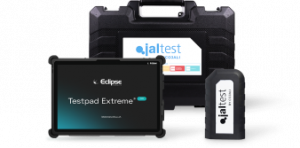






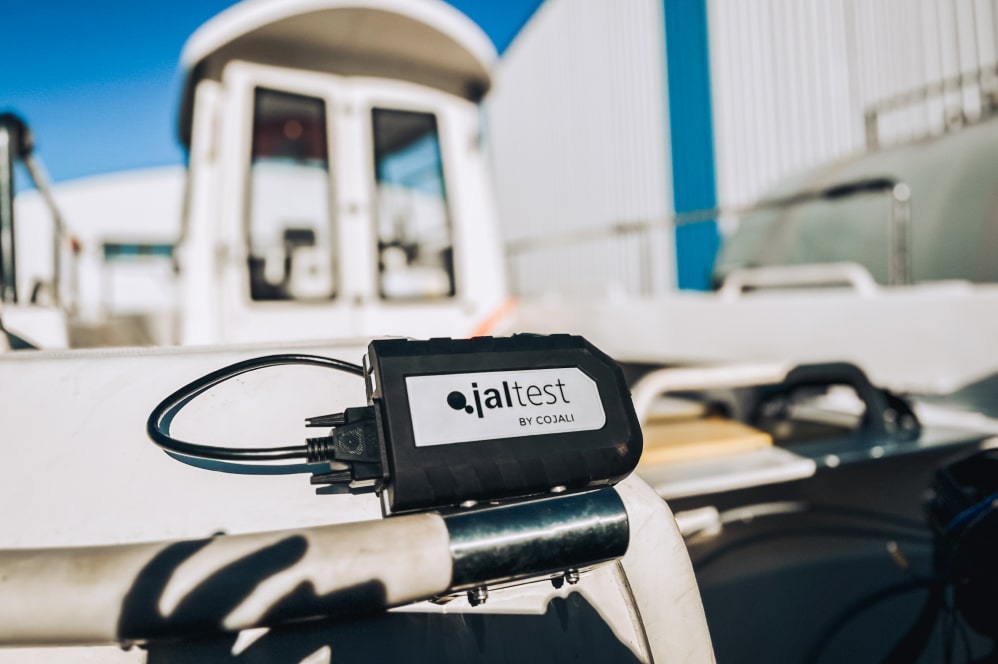
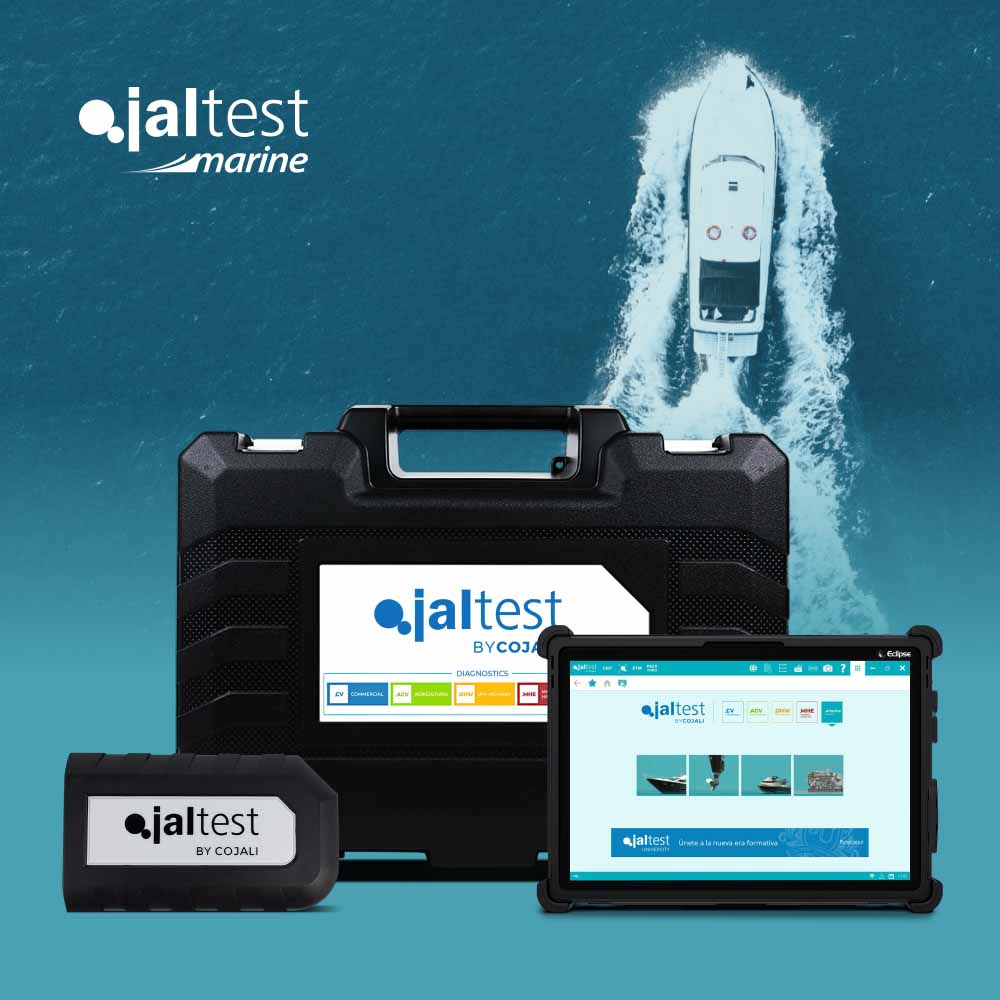
 If you work with boats day-to-day, you’ve probably felt the shift. Diagnostics used to mean a multimeter, a manual, and a long afternoon of guesswork. Today, a single laptop and a smart, multi-brand tool can tell you what’s wrong, show you live data, guide a fix, and log the job. At the heart of that change is Jaltest Marine — a diagnostics platform built for real-world marine maintenance, from outboards and inboards to PWCs, gensets and beyond.
This article takes a deeper look at the marine brands Jaltest Marine covers, how the tool has transformed boat diagnostics in practice, and how things are likely to evolve in 2026 and beyond.
The big draw: true multi-brand coverage
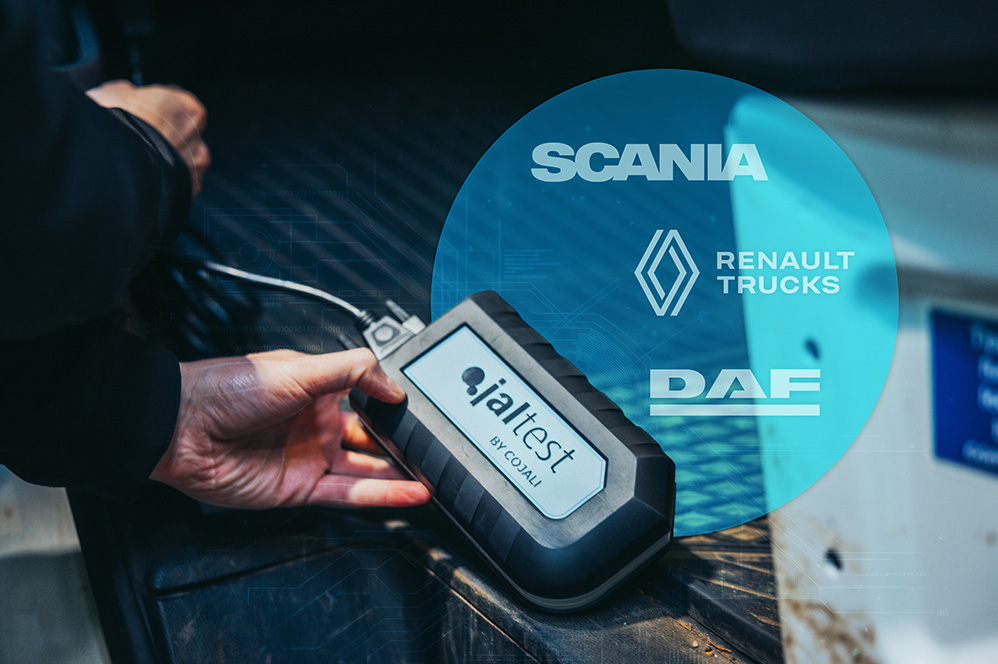
Marine engineers rarely work on just one make. A Monday might be a Volvo Penta-powered cruiser; Tuesday a Yamaha outboard; Wednesday a Caterpillar genset on a workboat; Thursday a Sea-Doo PWC in for a cluster fault; Friday a Cummins MerCruiser Diesel. The value of Jaltest Marine is that one platform speaks to them all.
- Breadth of brands and models. Jaltest offers coverage for 89+ marine manufacturers and 1,459 models across engines, controls and related systems. That’s not just outboards and inboards; it also spans PWCs and stationary marine engines. Updates add new brands, models and systems three times per year, so coverage keeps growing.
- Representative brands. In the field you’ll see Volvo Penta, Iveco-FPT, Yamaha, Honda, Mercury/MerCruiser, Cummins MerCruiser Diesel, Caterpillar, MTU, Yanmar, Kawasaki, Sea-Doo/BRP, Rotax, Ilmor and more — a genuinely cross-market spread that makes one kit viable for mixed fleets and independent yards.
- Vessel types. Coverage isn’t just leisure. Workboats, patrol craft, rescue RIBs and commercial platforms benefit, as do workshops supporting gensets and ancillary systems common in commercial operations.
In short: if you’re servicing mixed brands, a single diagnostic environment reduces tool duplication, training overhead and license sprawl.
More than fault codes: the practical features that change your day
It’s easy to assume diagnostics equals “read codes, clear codes”. Jaltest Marine goes much further, which is why it’s become a mainstay for many UK engineers.
- Automatic system detection & fault code reading. Connect, scan, and the software identifies ECUs and DTCs without manual hunting. That’s a time-saver when you’re afloat with limited windows for testing.
- Live parameters (real-time data). See coolant temp, fuel rail pressure, boost, lambda, trim angles, RPM and more in real time to confirm a suspected issue rather than guessing. Great for intermittent faults that only show under load.
- Actuations and calibrations. Command components (e.g., injector balance tests, fuel pump primes, throttle adaptations, trim/steering calibrations) directly from the laptop to validate repairs and complete procedures correctly.
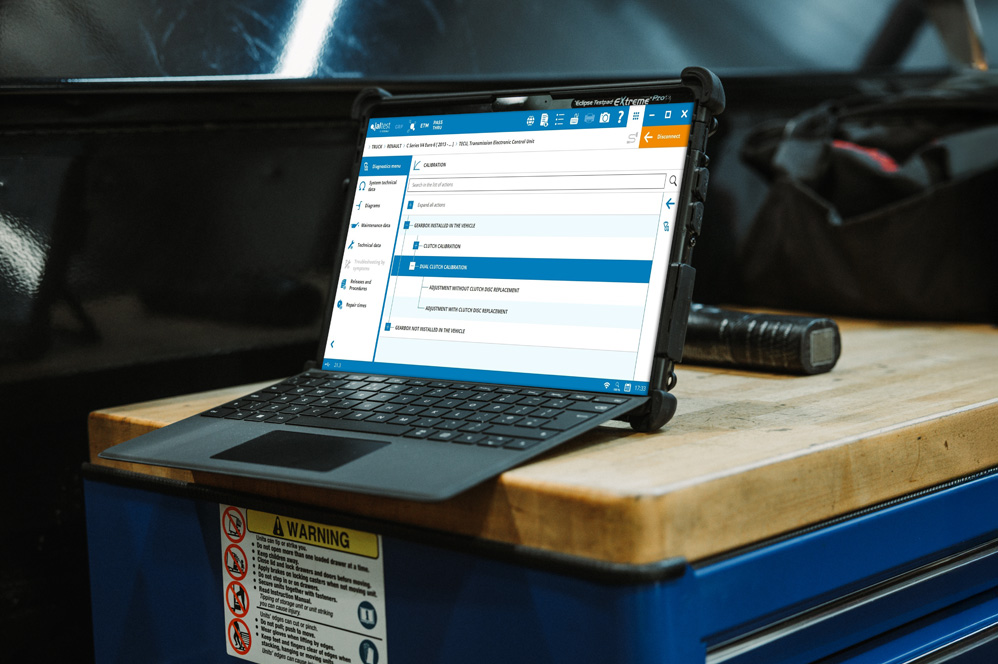
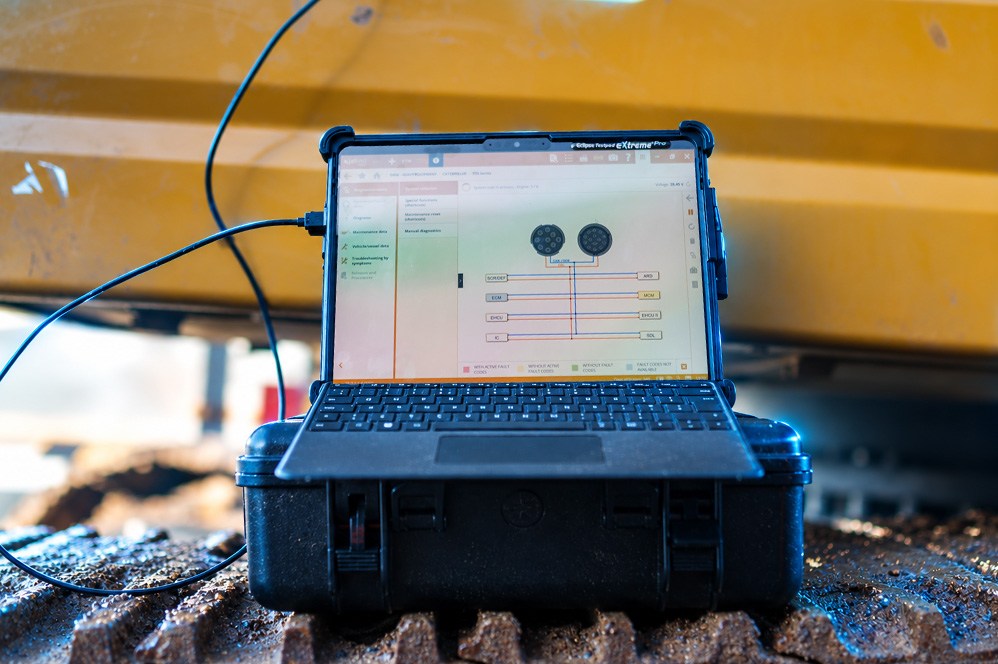
- Guided troubleshooting. Built-in technical data, wiring diagrams, service procedures and symptom-led guides reduce reliance on scattered PDFs. That’s particularly helpful when tackling unfamiliar brands.
- Service information & maintenance resets. Keep histories clean and ensure systems recognise completed work — key when multiple technicians rotate across a fleet.
- Frequent software updates. Jaltest typically pushes three major releases per year, which add coverage and functions across brands. That cadence matters when new model-year engines and control systems hit the water.
A small but telling example of the platform’s momentum: the INS VIP Cluster support for Sea-Doo Jet Skis (2019-on) brought targeted functionality for a pain-point many PWC technicians had flagged — showing how niche needs are making their way into mainstream releases.
How this changes outcomes for marine engineers
 Let’s translate features into measurable wins:
- Faster diagnosis, fewer callbacks. Auto-ID, live data and guided tests reduce “parts-darting”. You confirm a failing sensor or fuel pressure irregularity before tearing into a system — crucial on boats with difficult access.
- Consistent quality across brands. The software’s step-by-step procedures and wiring info standardise how different techs attack similar symptoms on different engines, flattening the learning curve for less-common brands.
- Better first-time fix rates offshore. If you’re visiting a boat via tender or travelling to a marina berth, you want one kit that covers whatever you find. Multi-brand coverage massively improves the odds you can finish on the first visit.
- Documentation that keeps fleets healthy. Service data and stored reports create a traceable history. For commercial operators, that helps with compliance and resale; for leisure owners, it builds trust.
- Training uplift. One interface, repeatable routines. Teams upskill faster and spend less time hunting OEM-specific procedures scattered across different portals.
Marine brands covered: what that looks like in the real world
To give a sense of the landscape rather than an exhaustive list, here are common scenarios and the brands typically involved:
- Leisure cruisers and motor yachts: Volvo Penta (D-series), Yanmar, Cummins MerCruiser Diesel, Caterpillar, MTU — engine and sterndrive diagnostics, EDC/ECM testing, aftertreatment where fitted.
- RIBs, tenders and coastal craft: Yamaha, Honda, Mercury/MerCruiser outboards — trim/tilt, throttle/shift calibration, IMMO where applicable, plus helm control checks.
- PWCs: Sea-Doo/BRP, Yamaha, Kawasaki — ECU queries, cluster interactions (including the Sea-Doo INS VIP support on newer models).
- Commercial workboats & support vessels: Iveco-FPT, Caterpillar, Volvo Penta, MTU — engine management, fuel system diagnostics, and genset support for onboard power.
Because models vary widely, it’s always sensible to check a live coverage report for a specific engine family and year — but the cross-section above illustrates why one platform can cover most workshops’ weekly mix.
Why Jaltest Marine stands out versus single-brand tooling
OEM tools can be brilliant for deep functions on one brand, but they’re rarely cost-effective when you service many. The practical advantages engineers cite for Jaltest Marine include:
- One interface, multiple OEM-level functions. You don’t need to remember five different menu structures. That reduces human error on live boats with tight service windows.
- Lower total cost of ownership. A single subscription with scheduled updates (and technical support options) replaces several brand-specific licenses and cables. For independents and small yards, that’s a business enabler.
- Scalability. New brands and model-year functions arrive through updates; you don’t have to purchase a new tool every time a client turns up with a different craft.
Looking ahead: how boat diagnostics will evolve in 2026 and beyond
Diagnostics is moving from reactive fault-finding to proactive, data-led maintenance. Here’s what to expect — and how to prepare.
1) Deeper integration with smart dashboards and clusters
We’re already seeing cluster-specific modules (e.g., Sea-Doo INS VIP) that extend beyond the engine ECU into the user interface layer. Expect broader support for digital helm systems, joystick controls, and networked displays (NMEA 2000/OneNet) so technicians can calibrate, update and verify the whole control chain from a single session.
2) More network-wide diagnostics (CAN, LIN, NMEA)
Modern boats are distributed systems: engines, trim tabs, steering, stabilisers, generators, HVAC — all chatting on CAN or NMEA. Multi-module scans that map the entire vessel network will become routine, not a luxury, helping trace intermittent faults (e.g., voltage drops, sensor bus issues) faster. Jaltest’s existing automatic system detection positions it well to expand here.
3) Predictive maintenance driven by data
As live parameter logging gets richer and storage cheaper, workshops will use trend data (fuel pressure decay, injector balance, thermal behaviour) to predict failures before a trip, not during. Expect diagnostics platforms to add easier graphing, anomaly detection and report templates that you can hand to owners or fleet managers.
(Inference based on current live-data capabilities and update cadence.)
4) Over-the-air (OTA) firmware and remote support
Marine has lagged automotive in OTA updates because of connectivity and safety constraints, but we’ll see more controlled firmware flashing and parameter updates performed dockside with guided procedures — plus secure remote sessions where a technical specialist can step in to assist a field tech. Frequent software releases from Jaltest suggest the ecosystem is maturing to support this responsibly.
5) Sustainability and aftertreatment know-how
As emissions rules tighten for certain classes of vessel and gensets, aftertreatment diagnostics (DOC/DPF/SCR) and fuel system integrity checks will be more common. Tools that guide soot loading checks, regeneration procedures and NOx sensor testing — already familiar to CV technicians — will become standard in marine contexts too. (Projection aligned to multi-industry Jaltest capabilities and typical regulatory trends.)
6) Training baked into the tool
The best time to learn the right procedure is during the job. Expect richer embedded training: bite-size procedures, context-aware tips, and interactive wiring diagrams. Jaltest already blends procedures with diagnostics; 2026+ will make that more visual and step-by-step.
Choosing and using Jaltest Marine effectively
If you’re considering buying Jaltest Marine to carry out your boat diagnostics (or looking to get more from a kit you already own), here are practical pointers:
- Check specific coverage. Before booking a job, run a coverage check for the exact engine family and year so you know which tests, actuations and resets are available. Coverage is broad, but model-level functions can vary.
- Keep your software current. Aim to update with each release cycle. It’s the difference between “limited read-outs” and “full dealer-level routines” on newer platforms.
- Standardise your workflow. Build a simple in-house checklist: full scan → live data under load → targeted actuations → repair → calibration/reset → final scan and report. You’ll minimise comebacks and build a consistent service record.
- Invest in training time. Even with a friendly interface, there’s a lot under the bonnet. An afternoon exploring guided tests and wiring within the software pays off quickly when you’re up against a tight tide window.
Final word
 Diagnostics has moved on from “read a code, thumb a manual, hope for the best”. With Jaltest Marine, most UK workshops can confidently support a mixed fleet — Volvo Penta to Yamaha, Caterpillar to Cummins MerCruiser Diesel, Honda to Sea-Doo — using one tool that’s updated several times a year.
The next wave is network-wide visibility, predictive insights and richer in-tool guidance that helps you fix it right first time, even on unfamiliar brands.